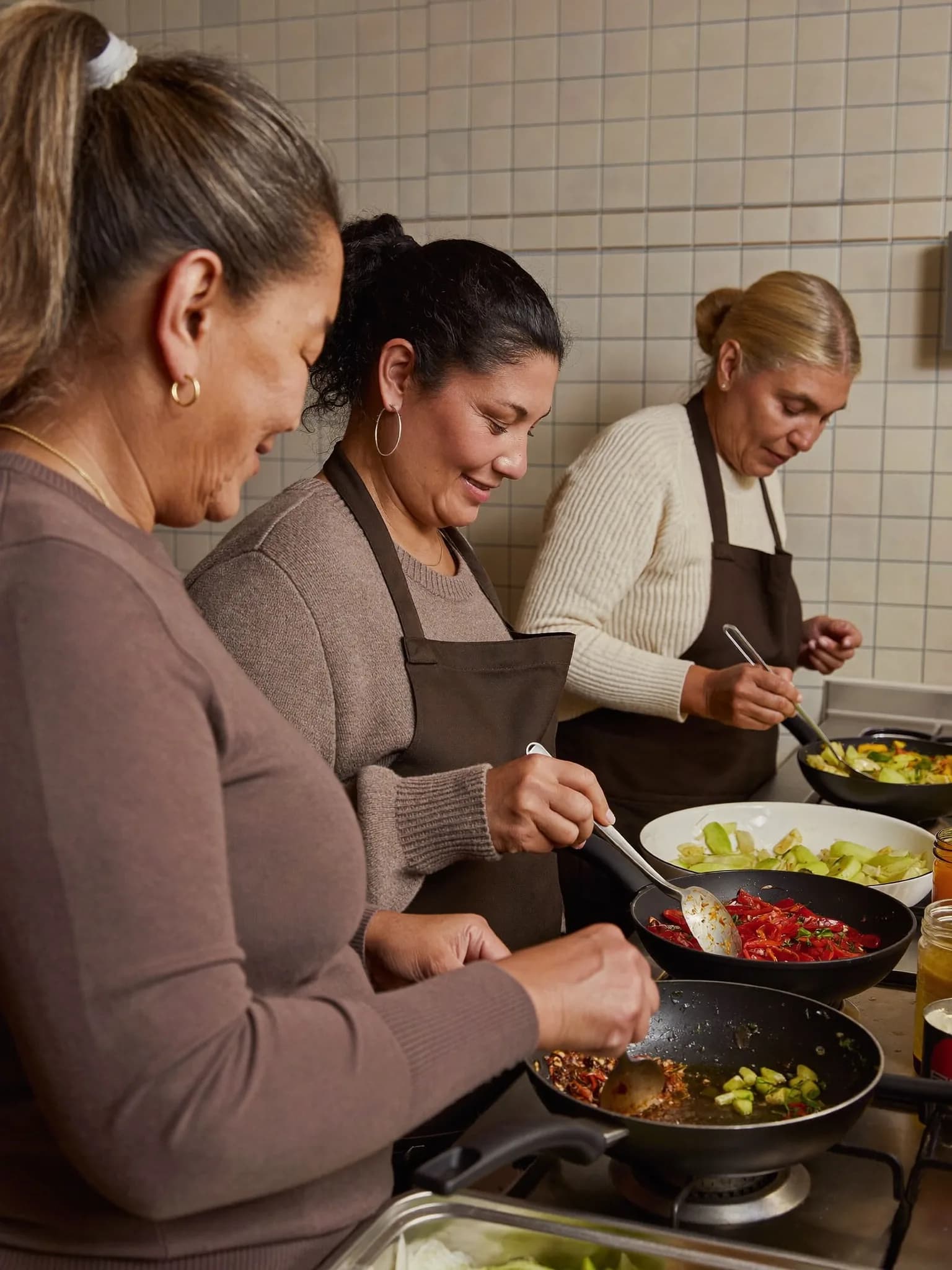
Food & Nutrition
Explore balanced meals, food labels and affordable cooking through familiar foods from different cultures. Choose a topic when you register and we will let you know about relevant sessions.
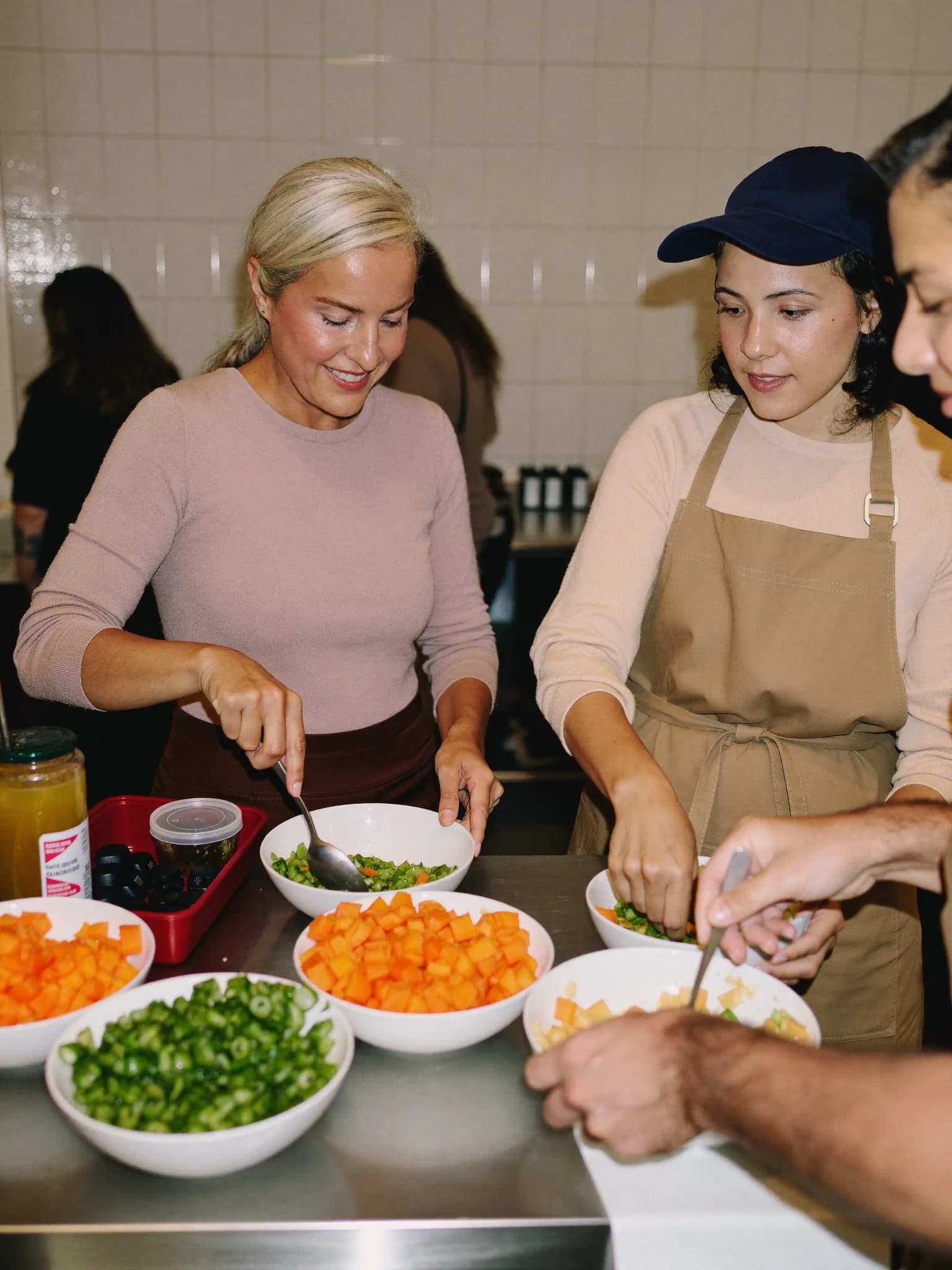
Food, nutrition & healthy living
Understand your food. Build skills for everyday life.
01
Understanding nutrients
Carbohydrates provide energy; protein supports growth and repair; fats help the body absorb certain vitamins. Fibre supports digestive health, while vitamins and minerals have many essential roles.
Try it: identify the nutrients in a meal of rice, beans, vegetables and chicken.
02
Food groups & the Eatwell Guide
View the NHS Eatwell Guide (opens in a new tab)Food pyramids and the UK Eatwell Guide help explain food groups. We use the Eatwell Guide to explore balance across a day or week, rather than expecting every meal to match it.
Include fruit and vegetables, starchy foods, protein foods, dairy or alternatives, and small amounts of unsaturated oils. Keep familiar cultural foods in the mix.
03
Reading food labels
Read NHS food-label guidance (opens in a new tab)Compare similar products per 100g or 100ml, then check the portion you actually eat. Traffic lights show high (red), medium (amber) or low (green) levels of fat, saturated fat, sugars and salt.
Ingredients appear in order of weight. Check highlighted allergens each time you buy a product.
04
Healthy eating on a budget
Plan meals around what you already have, compare unit prices and use beans or lentils to stretch a meal. Frozen vegetables and tinned foods can be affordable, nutritious choices.
Try it: cost a recipe per serving and plan a safe use for leftovers.
05
Food safety & allergens
Food Standards Agency guidance (opens in a new tab)Practise handwashing, keeping raw meat separate, cooking thoroughly and storing food safely. Use-by dates relate to safety; best-before dates relate to quality.
Tell the team before attending if you need to discuss an allergy or access arrangement. We will discuss what we can accommodate.
06
Adapting cultural recipes
Keep the flavours and traditions you love while exploring more vegetables, beans and wholegrains. Measure oil and use herbs, spices and aromatics to help reduce added salt.
Try it: adapt Nigerian stew or vegetable pancakes and discuss taste, cost and nutrition together.
07
Women's nutrition
Explore NHS nutrition advice (opens in a new tab)Explore iron-rich foods, calcium sources and how nutritional needs can change through life. Beans, lentils, meat and fortified foods can provide iron; dairy and fortified alternatives can provide calcium.
For pregnancy, medical conditions or individual dietary needs, ask a qualified health professional for tailored advice.
Our workshops provide general food education and practical skills. Topics vary by session.
Try a food-label comparison
These fictional soups show why comparing the same quantity matters. Values are per 100g.
| Per 100g | Soup A | Soup B |
|---|---|---|
| Energy | 70 kcal | 60 kcal |
| Saturated fat | 1.8g | 0.4g |
| Sugars | 3.0g | 4.0g |
| Salt | 0.8g | 0.3g |
Which soup has less salt and saturated fat per 100g?
Check the portion size
A 300g serving contains three times the amounts shown. Soup B contains 0.9g salt in 300g, compared with 2.4g in Soup A. Soup B has more sugars per 100g, so consider the whole label and your needs.
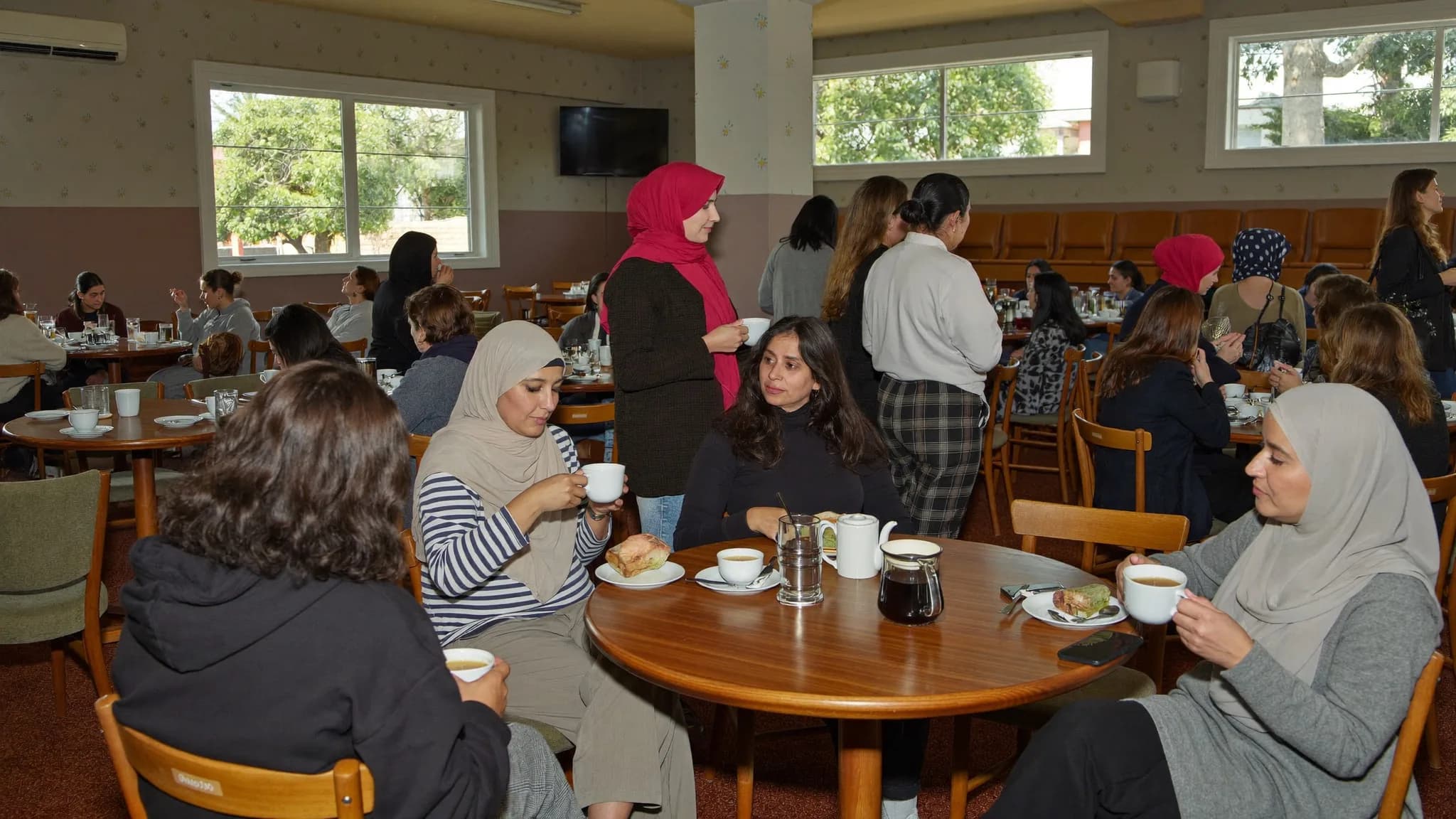
Cook, learn and eat together
Our workshops provide general food education and practical skills. Topics vary by session.